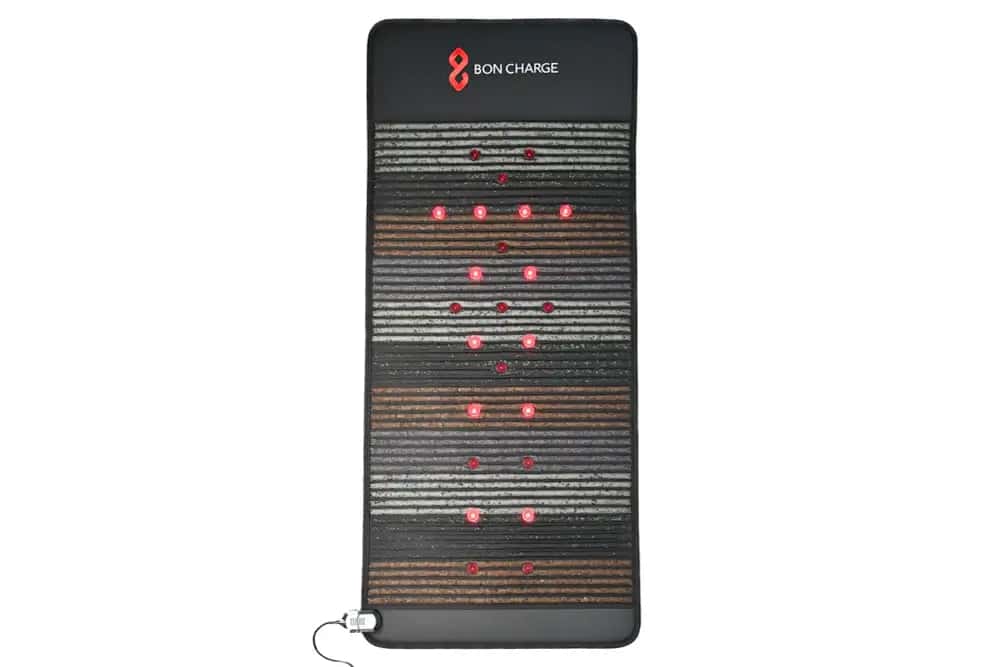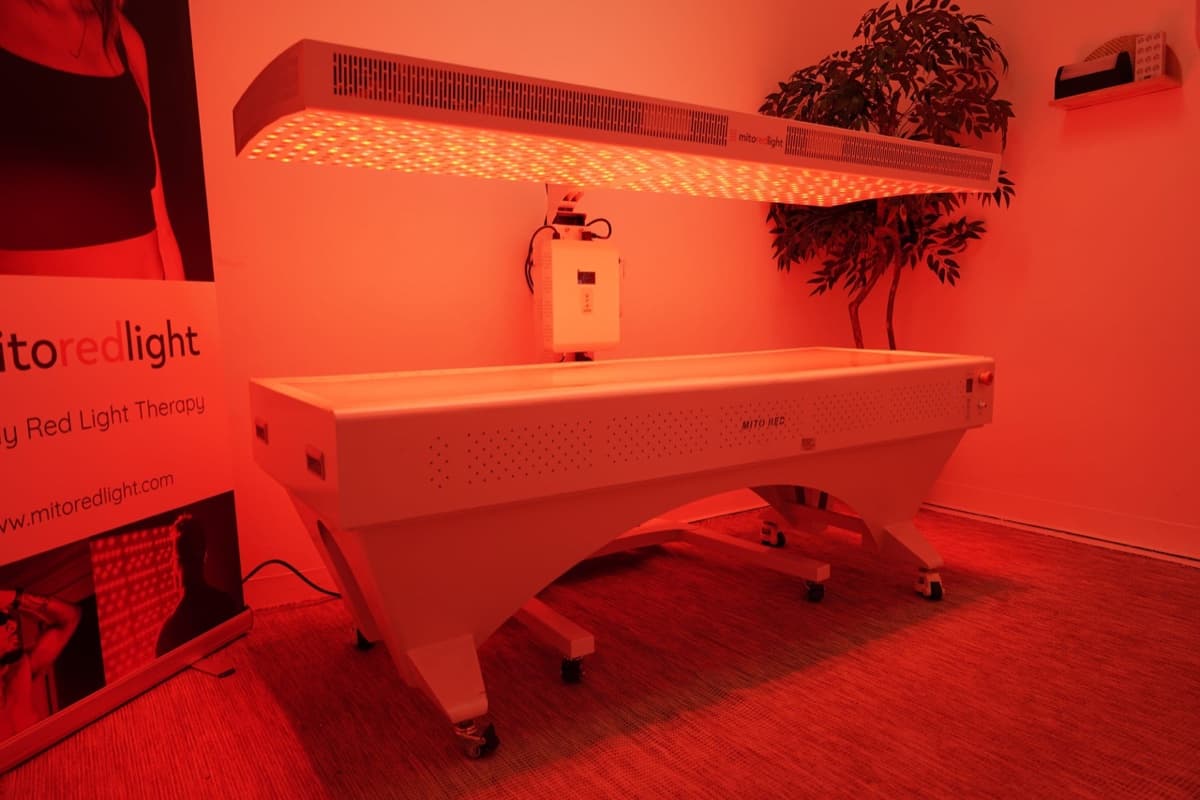
In my clinical practice, patients constantly ask me to evaluate red light therapy beds vs panels for their home rehabilitation setups. As a Registered Massage Therapist (RMT) and clinical researcher, I test these devices daily to measure actual patient outcomes and biohacking protocols. My direct verdict is clear: a quality panel setup offers 95% of the therapeutic benefits at a fraction of a full-body bed's cost.
However, for high-volume commercial practices prioritizing client throughput, a bed remains a justifiable clinical investment. I integrate red light therapy daily to treat patients with back pain, arthritis, and chronic inflammation. I have extensive hands-on experience with both form factors.
Both beds and panels leverage identical photobiomodulation science. They trigger the same cellular mechanisms and offer the same therapeutic benefits. The real difference lies in delivery method, clinic footprint, and cost.
Core Differences: Form Factor and Function
Before we examine the clinical data, let's establish the hardware differences.
What Is a Red Light Therapy Bed? Think of a high-tech tanning bed emitting therapeutic red and near-infrared light. You lie down for 360-degree simultaneous exposure.
- Pros: Treats front and back at once. Passive, spa-like experience. Fast 8-15 minute sessions.
- Cons: Massive footprint. Costs $20,000 to $120,000+. Requires 220V electrical upgrades.
What Is a Red Light Therapy Panel? These are modular LED arrays you stand or sit in front of. You treat one side of your body at a time.
- Pros: Flexible placement. Standard 120V outlets. Costs $500-$3,000.
- Cons: Requires repositioning. Longer 20-40 minute full-body sessions.

The Photobiomodulation Science Is Identical
Both devices deliver specific wavelengths of light—primarily 660nm (red) and 850nm (near-infrared)—to your cells. This light is absorbed by chromophores within your mitochondria. This absorption stimulates ATP production, leading to reduced inflammation, enhanced tissue repair, and accelerated recovery.
Your cells respond to the wavelength and the dose of light, not the price tag. The fundamental effectiveness remains identical across both delivery systems.
| Factor | Red Light Therapy Beds | Red Light Therapy Panels | Winner |
|---|---|---|---|
| Cost (Home Use) | $5,000–$15,000 | $500–$3,000 | Panels |
| Cost (Commercial) | $20,000–$120,000+ | $2,000–$10,000 | Panels |
| Full-Body Treatment Time | 8–15 minutes | 20–40 minutes | Beds |
| Coverage | 360° simultaneous | One side at a time | Beds |
| Therapeutic Wavelengths | 660nm / 850nm | 660nm / 850nm | Tie |
| Cellular Benefits | Mitochondrial stimulation | Mitochondrial stimulation | Tie |
| Irradiance (mW/cm²) | 50–165 mW/cm² | 70–200+ mW/cm² | Panels |
| Space Required | Dedicated room (7'×4'+) | Door/wall mount | Panels |
| Electrical | Often 220V/30A | Standard 120V | Panels |
| Comfort | Lie down, passive | Stand/reposition | Beds |
| Portability | Fixed location | Portable, travel-friendly | Panels |
| Maintenance | Clean between uses | Minimal (no skin contact) | Panels |
Clinical Cost Analysis
Cost is the primary barrier to entry for my patients. I track these metrics closely in my complete red light therapy cost guide.

| Category | Red Light Beds | Red Light Panels |
|---|---|---|
| Entry-Level Home | $5,000–$8,000 | $129–$500 (small) $500–$1,500 (large) |
| Mid-Range Home/Light Commercial | $15,000–$25,000 | $1,500–$3,000 (full-body setup) |
| Commercial Grade | $20,000–$70,000 | $3,000–$10,000 (multi-panel array) |
| Premium Commercial | $60,000–$120,000+ | $5,000–$15,000 (professional setup) |
Beds carry massive hidden costs. You must factor in $500–$2,000 for 220V electrical upgrades, lost square footage, and ongoing sanitization supplies. Panels plug into standard 120V outlets and require zero skin contact.
For home users, a $2,000 panel pays for itself in just 40 avoided clinic sessions. At three sessions per week, you break even in three months.
Treatment Time and Irradiance
Beds win on speed. A 360-degree bed session takes 8-15 minutes. A full-body panel session takes 20-40 minutes because you treat the front, then the back. For home users, this extra 15 minutes is negligible. For commercial clinics, faster sessions mean higher daily revenue.

Many patients assume beds are more effective because they cost more. Clinically, this is false. Both deliver 660nm light for skin health and anti-aging and 850nm light for deep joint pain.
In fact, many panels deliver higher irradiance (70-200+ mW/cm²) than beds (50-165 mW/cm²) because you stand closer to the LEDs. You can easily achieve full-body coverage at home by mounting two panels—like a Kala quad-panel setup—for simultaneous front and back treatment.
Space and Electrical Requirements
| Requirement | Red Light Beds | Red Light Panels |
|---|---|---|
| Voltage | Often 220V/30A dedicated circuit | Standard 120V outlet |
| Electrician Required? | Usually yes ($500-$2,000 for install) | No |
| Power Draw | 1,500-3,000+ watts | 100-500 watts per panel |
| Rental Property Friendly? | No (permanent installation) | Yes (portable, no mods) |
Beds require a dedicated 10x12 foot room and floor reinforcement for their 300-600 lb weight. Panels weigh 15-60 lbs and hang on a standard door.
Clinical Recommendations: Who Should Buy What?

When to Buy a Bed: I recommend beds strictly for high-volume commercial clinics treating 20+ clients daily. The 10-minute turnaround maximizes your ROI. Beds also suit patients with severe mobility limitations, like fibromyalgia or chronic fatigue, who cannot stand for 20 minutes. See my guide to the best commercial red light therapy beds.
When to Buy a Panel: If you are buying for personal home use, panels are the superior choice. You get the exact same cellular benefits for a fraction of the price. Panels are also ideal for targeted treatments like tendinitis or scar treatment. See my clinical comparisons of Rouge, Mito Red, Kala, Infraredi, Hooga, and PlatinumLED.
Clinic ROI Calculator
For my fellow practitioners, use this calculator to compare the business case for beds versus panels in your practice:
Projected Clinic ROI Comparison (Annual Estimates)
Based on a standard clinical schedule (8 operating hours/day, 5 operating days/week, $50 session price, and 60% utilization rate):
| Equipment Type | Equipment Cost | Daily Sessions | Monthly Revenue | Annual Revenue | Payback Period | First-Year Net Profit |
|---|---|---|---|---|---|---|
| Single Large Panel Setup | $2,000 | 9 | $9,000 | $108,000 | 0.2 months | $106,000 |
| Dual Panel Setup | $4,000 | 14 | $14,000 | $168,000 | 0.3 months | $164,000 |
| Basic Bed | $25,000 | 16 | $16,000 | $192,000 | 1.6 months | $167,000 |
| Premium Bed | $50,000 | 19 | $19,000 | $228,000 | 2.6 months | $178,000 |
| Elite Bed | $80,000 | 19 | $19,000 | $228,000 | 4.2 months | $148,000 |
Note: Calculations assume a 5-minute buffer between sessions. Basic and Premium beds allow shorter, highly efficient sessions (10-12 minutes), maximizing daily throughput for high-volume practices.
Many successful clinics I consult with use a hybrid approach. They deploy panels for targeted add-on services and reserve beds for premium full-body sessions.
For 95% of my patients, panels are the clear winner for home rehabilitation. They offer unmatched value and clinical efficacy. For commercial operators, beds provide the necessary throughput to scale a practice. Whichever device you select, consistent use dictates your clinical outcomes.
Related Clinical Resources
- Recommended Guide: Read my full, hands-on review of the best red light therapy panels for deeper clinical insights.
- Related Review: Check out my comparative analysis on the Red Light Therapy Beginners Guide.