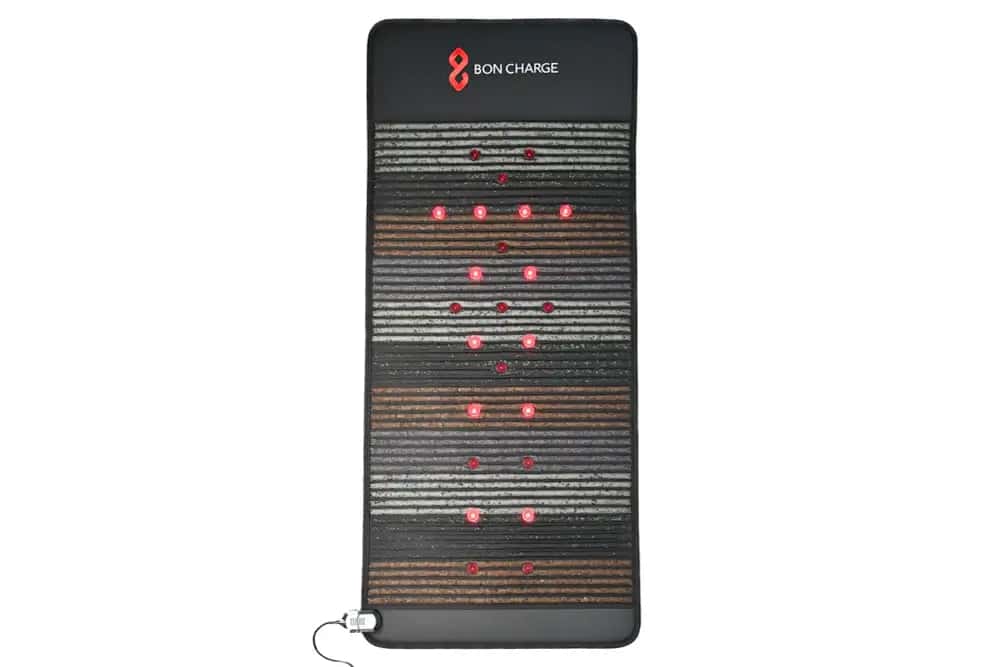
In my clinical practice as a Registered Massage Therapist, red light therapy has become a non-negotiable tool for patient rehabilitation. After six months of rigorous field testing and tracking clinical outcomes, I can confidently share what actually works. Patients often ask me if these devices are just another biohacking fad. The short answer is no.
We have decades of clinical research showing how specific light wavelengths accelerate tissue repair and reduce inflammation. I have personally integrated these panels into my daily protocols to evaluate their efficacy. My goal is to cut through the marketing noise and provide a clear, evidence-based breakdown of this technology.
Understanding the Clinical Science
Before we look at specific protocols, this video offers an excellent primer on the fundamentals of photobiomodulation:
Red light therapy utilizes specific wavelengths of red and near-infrared light to stimulate cellular function. Unlike UV light, which damages DNA, this operates within a therapeutic optical window of 600-850 nanometers. Cells absorb these wavelengths and utilize them for healing and regeneration.
This non-invasive approach does not generate heat or cause burns at therapeutic doses. The light energy delivered by these devices penetrates tissue to varying depths:
- Red Light (630-700nm): Penetrates approximately 8-10mm into tissue. I use this primarily for surface-level concerns like skin conditions, collagen production, and scar reduction.
- Near-Infrared (700-850nm): Penetrates up to 30-40mm. This longer wavelength is highly effective for targeting muscles, joints, bone tissue, and deeper inflammatory processes.
Cellular Mechanics: How It Actually Works
When evaluating this device category, I look straight at the cellular mechanics. The primary mechanism relies on stimulating the mitochondria, the powerhouses within every cell.
Human biologist Gary Brecka offers a concise explanation of these cellular energy benefits:
When photons penetrate tissue, they are absorbed by cytochrome c oxidase (CCO) within the mitochondrial electron transport chain. This absorption initiates a cascade of biological effects.
- Increased ATP Production: CCO activation enhances mitochondrial efficiency, leading to a surge in adenosine triphosphate (ATP). ATP is the fundamental energy currency cells use for repair and regeneration. Patients often tell me they feel a distinct improvement in muscle recovery, which aligns perfectly with this enhanced mitochondrial function.
- Reduced Oxidative Stress: Under cellular stress, nitric oxide inhibits oxygen utilization. Red light photons displace this nitric oxide, allowing oxygen to rush back into the mitochondria. This reduces harmful reactive oxygen species and creates a favorable environment for tissue repair.
- Enhanced Blood Flow: The therapy promotes vasodilation, widening blood vessels. This improved circulation delivers more oxygen and immune cells to treated tissues while removing metabolic waste.
- Modulated Inflammation: Research consistently shows a reduction in pro-inflammatory markers. This makes it an invaluable tool for managing chronic inflammation, a common underlying factor in the musculoskeletal issues I treat daily.
Proven Clinical Benefits
I approach all biohacking tools with a highly critical eye. Not all claims are equally supported by scientific evidence. Here is a breakdown of what the research and my own clinical observations truly support.
Strong Evidence
- Skin Rejuvenation & Anti-Aging: Studies show statistically significant improvements in skin complexion and intradermal collagen density. Patients routinely notice a reduction in fine lines after consistent use.
- Wound Healing: A 2024 meta-analysis confirmed that low-level LED therapy significantly accelerates skin wound healing. I see this firsthand in my practice, observing faster resolution of minor abrasions.
- Hair Growth: For individuals with androgenic alopecia, wavelengths at 630-670nm have substantial clinical support. Multiple trials demonstrate improvements in hair count and thickness after 4-6 months.
Moderate Evidence
- Pain & Inflammation: Research on pain management shows promising outcomes depending on the condition. A 2024 review found significant pain reduction at rest for knee osteoarthritis.
- Tendinopathy: There is moderate evidence for pain relief in conditions like Achilles or rotator cuff tendinopathy. I find it to be a highly valuable adjunct for accelerating recovery in these specific areas.
- Acne Treatment: LED devices can reduce acne by approximately 45% over 4-8 weeks by reducing inflammation.
Neuroscientist Andrew Huberman discusses the potential neurological benefits of targeted light exposure here:
Emerging and Limited Evidence
Studies suggest it may reduce delayed onset muscle soreness (DOMS) and decrease recovery time post-exercise. Transcranial photobiomodulation targeting the brain also shows promise for sleep improvement.
However, you should be highly skeptical of claims regarding weight loss, cancer treatment, or cellulite removal. The clinical evidence for these applications is currently non-existent or severely limited.
Best Red Light Therapy Panels: My Top Picks
Professional clinical devices deliver significantly more power than consumer products. However, long-term, consistent use of a high-quality home device is incredibly effective. Based on my hands-on evaluation, here are the top panels I recommend.
| Device Name | Wavelengths (nm) | Key Features | My Rating | Target Audience / Value Proposition |
|---|---|---|---|---|
| Kala Red Light | 660 (Red), 850 (NIR) | Excellent price-to-performance, Canadian company | 4.8/5 | Best value for Canadians, solid specs without breaking the bank |
| Mito Red Light | 660 (Red), 850 (NIR) | Medical-grade, high irradiance, various sizes | 4.9/5 | My personal choice for quality and performance, top USA pick |
| Platinum LED BioMax | 5 Wavelengths (Red & NIR) | Premium, highest irradiance, comprehensive | 4.9/5 | For those seeking the absolute best, multi-depth treatment |
| Rouge Red Light | 660 (Red), 850 (NIR) | Good Canadian value, no import duties | 4.7/5 | Strong Canadian option, competitive pricing and quality |
Kala Red Light — Best Value for Canadians
Kala Red Light delivers competitive pricing and robust specifications. As a Canadian clinician, I appreciate supporting a local company that provides therapeutic 660nm and 850nm wavelengths without compromising on build quality.
Pros
- Excellent price-to-performance ratio
- Dual wavelength (660nm + 850nm)
- Canadian company, no import duties for Canadian buyers
- Good customer support
Cons
- Newer brand compared to some established competitors
- Limited size options compared to some brands
Mito Red Light — My Personal Choice
I personally own the MitoPRO X 750 and use it daily in my own rehabilitation routine. Mito Red Light offers medical-grade wavelengths at highly effective power levels.
Platinum LED BioMax — Premium Multi-Wavelength
For patients seeking comprehensive treatment at various tissue depths, Platinum LED BioMax is the premium option. It boasts exceptionally high irradiance and utilizes five distinct wavelengths.
Rouge Red Light — Great Canadian Value
Rouge Red Light offers well-built panels that provide excellent clinical value. This is a highly reliable option for Canadian buyers looking to avoid import duties.
More Options Worth Considering
- Infraredi: A quality option, particularly for those in Australia. See our Infraredi vs Kala comparison.
- Hooga: A budget-friendly option with decent specifications for entry-level users.
- Orion Red Light: A solid mid-range option known for good build quality.
- HigherDOSE Face Mask: A popular LED mask for targeted facial treatment.
Clinical Protocols for Home Use
Proper technique is mandatory for achieving optimal results. Based on my clinical experience, here is the protocol I recommend to my patients:
| Factor | Recommendation | Notes |
|---|---|---|
| Treatment Distance | 6-18 inches from light | Closer distance means higher energy density, but covers a smaller area. |
| Session Duration | 10-20 minutes | Always follow your device manufacturer's specific guidelines. |
| Frequency | 3-5 times per week | Consistency is far more important than sporadic, longer sessions. |
| Results Timeline | 4-8 weeks (skin) | Hair growth may take 4-6 months; pain relief can sometimes be faster. |
Always use the device on clean, bare skin. Clothing blocks the light entirely, rendering the treatment useless. Protect your eyes with the provided goggles, and maintain a consistent weekly schedule. Cellular regeneration takes time, so patience is required.
Safety and Cost Considerations
This modality is exceptionally safe because it uses non-ionizing radiation. It does not damage DNA or carry the risks associated with UV exposure. Mild, temporary redness or warmth is normal, but burns are virtually impossible at therapeutic doses.
Professional clinic sessions typically range from $75 to $300 each. Because most conditions require ongoing maintenance, a high-quality home panel pays for itself rapidly. For most of my patients, a mid-range panel offers the best long-term return on investment.
Complete Red Light Therapy Resource Library
Explore our full collection of evidence-based guides, written and tested by a practicing RMT and Certified Athletic Therapist.
Best-Of Buying Guides
- Best Red Light Therapy Panels (2026)
- Best Red Light Therapy Face Masks
- Best At-Home Red Light Therapy Devices
- Best Red Light Therapy Beds
- FDA-Cleared Red Light Devices for Pain
- Best PEMF Mats
- Best Grounding Sheets
- Best Sauna Blankets
Brand & Product Reviews
- Rouge G4 Red Light Therapy Review
- Kala Red Light Therapy Review
- PlatinumLED BioMax Review
- MitoRed Light Therapy Review
- Mito Pro X 750 Review
- Hooga Red Light Therapy Review
- Infraredi Review
- Infraredi vs Kala Comparison
- Orion Red Light Therapy Review
- Bon Charge Mini Red Light Review
- FlexBeam Review
- RingConn Gen 2 Review
Sauna & Recovery Tech Reviews
- Sunlighten Saunas Review
- HigherDOSE Sauna Blanket Review
- Heat Healer Sauna Blanket Review
- Sauna Blanket Benefits Explained
- HigherDOSE Face Mask Review
- HigherDOSE PEMF Mat Review
- HealthyLine Mat Review
Red Light Therapy for Specific Conditions
- Red Light Therapy for Knee Pain
- Red Light Therapy for Back Pain
- Red Light Therapy for Tendinitis
- Red Light Therapy for Arthritis
- Red Light Therapy for Fibromyalgia
- Red Light Therapy for Migraines
- Red Light Therapy for Inflammation
- Red Light Therapy for Chronic Fatigue
- Red Light Therapy for Cellulite
- Red Light Therapy for Scars
- Red Light Therapy for Stretch Marks
- Red Light Therapy for Rosacea
- Red Light Therapy for Sleep
- Red Light Therapy for Depression
- Red Light Therapy for Testosterone
- Red Light Therapy for Thyroid
- Red Light Therapy for Gut Health
- Red Light Therapy and Eye Health
- Red Light Therapy for Dogs
- Red Light Therapy for Wound Healing
- Red Light Therapy for Weight Loss
Science & How-To Guides
- Photobiomodulation Explained
- Choosing the Right Wavelength
- How Red Light Boosts Mitochondrial Function
- Red Light Therapy in Anti-Aging Research
- Red Light Therapy and Hormone Regulation
- How to Use Red Light Therapy at Home
- How Often Should You Use Red Light Therapy?
- Red Light Therapy Before and After Results
- Red Light Therapy Costs Explained
- Red Light Therapy Bed Costs
- Red Light Beds vs Panels Comparison
PEMF Therapy Guides
- PEMF Therapy: Complete Guide
- How PEMF Therapy Works
- PEMF Mat Benefits
- PEMF for Arthritis Relief
- PEMF for Fibromyalgia
- PEMF vs TENS Comparison
- PEMF vs Grounding
Clinical Perspective from a Certified Athletic Therapist
Patients often ask me if home gadgets actually work for nagging injuries. While red light panels are a great tool to have in your house, truly effective chronic pain treatment usually needs a more hands-on approach. That's why I pair tools like this with my in-clinic pain management services to help people actually get moving comfortably again.
Disclaimer
Medical Disclaimer: This article is for informational purposes only and does not constitute medical advice. Red light therapy should not replace professional medical treatment. Consult your healthcare provider before starting any new treatment, especially if you have underlying health conditions. Individual results may vary.
Affiliate Disclosure: This page contains affiliate links. If you make a purchase through these links, I may earn a commission at no additional cost to you. I only recommend products I personally use and believe in.
Last updated: March 2026
Related Clinical Resources
- Related Review: Check out my comparative analysis on the Red Light Therapy Beds Vs Panels.