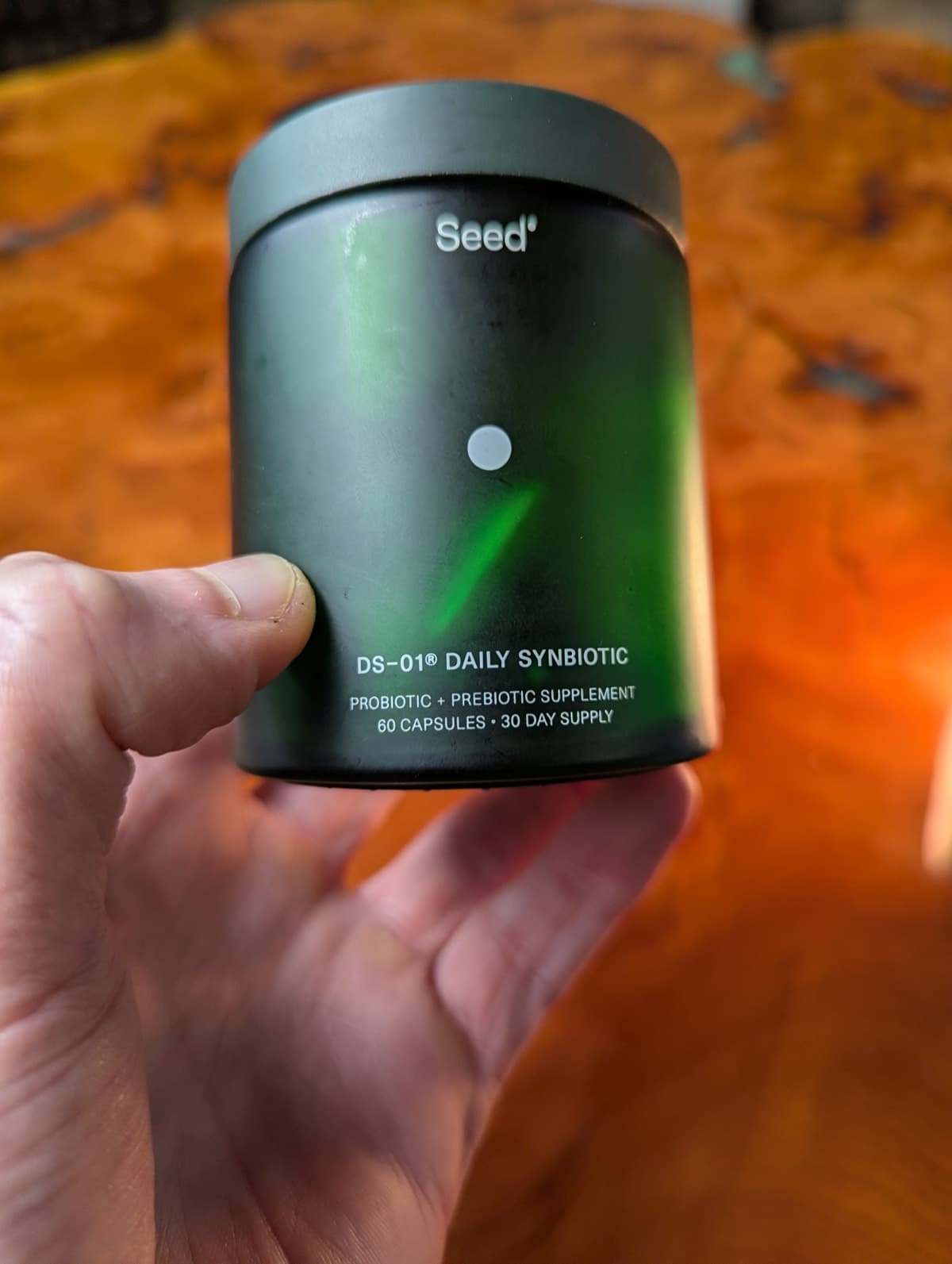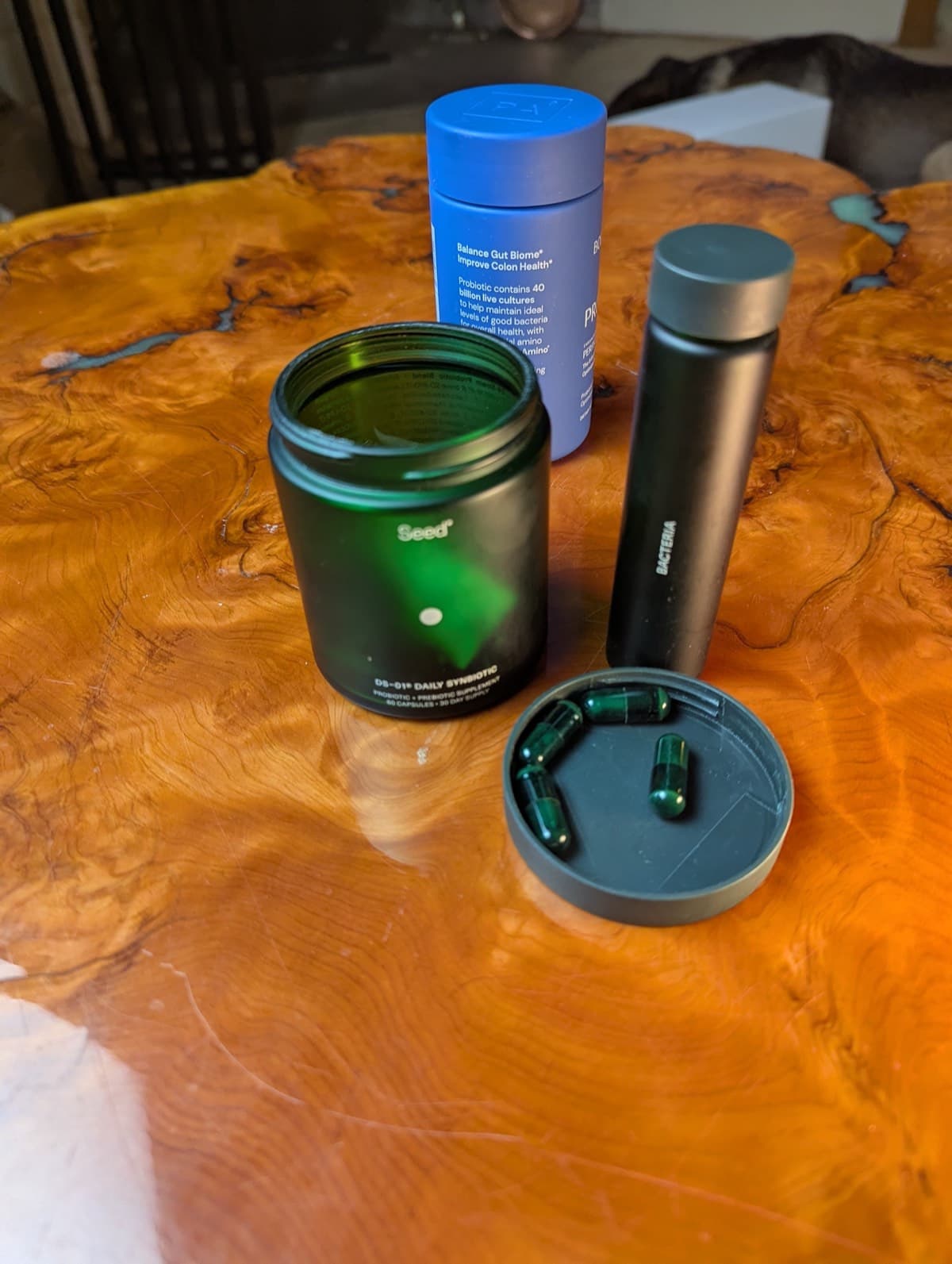
This clinical comparison of seed vs florastor analyzes their distinct biological profiles, mechanisms of action, and targeted uses. As a licensed Registered Massage Therapist (RMT) and clinical researcher, I track how probiotic supplementation supports patient digestive health and immune resilience. Understanding the distinction between bacterial synbiotics and yeast-based strains is key to choosing the right tool for your microbiome.
Direct Verdict: For protection against antibiotic-associated diarrhea and C. diff, Florastor is the clinical gold standard. However, for comprehensive daily gut health, post-antibiotic recovery, and systemic wellness (skin and immune support), Seed DS-01 is my top recommendation.

Why Trust My Clinical Protocols
In my private practice, I help clients recover from the systemic impacts of antibiotic courses and manage chronic digestive dysfunction:
- Hands-on Tracking: I monitor patient compliance, bloating reductions, and bowel regularity.
- Wavelength of Research: I analyze clinical trials (like the 2026 Allegretti DBRCT and historical McFarland meta-analyses).
- Ingredient Transparency: I assess delivery technologies and prebiotic synergies objectively.

Yeast vs. Bacteria: The Core Difference
Seed DS-01 and Florastor are not direct competitors because they utilize different biological kingdoms:
Seed DS-01: Bacterial Probiotics (Multi-Strain)
Seed DS-01 contains 24 clinically studied strains of native human bacteria (primarily Lactobacillus and Bifidobacterium):
- Gut-Barrier Reinforcement: Strains support tight junction integrity.
- Prebiotic Synergy: Includes 400mg of pomegranate and pine bark prebiotics.
- ViaCap® Technology: A capsule-in-capsule system protects live bacteria from stomach acid.
Florastor: Yeast-Based Probiotic (Single-Strain)
Florastor uses Saccharomyces boulardii CNCM I-745, a transient, beneficial yeast:
- Antibiotic Resistance: Because yeast is fungal, antibiotics cannot kill it. You can take it concurrently with an antibiotic course.
- Toxin Neutralization: S. boulardii helps neutralize toxins produced by pathogens like C. difficile.
- Natural Survivability: Its robust cell wall naturally survives digestive acids.
"In my practice, I recommend a sequential protocol. Use Florastor during antibiotic treatment to protect the gut from opportunistic infections. Once the course is complete, transition to Seed DS-01 to rebuild the bacterial diversity of your microbiome." — Daryl Stubbs, RMT, CAT(C)
Seed vs. Florastor: Comparison Table
| Feature | Seed DS-01 | Florastor |
|---|---|---|
| Microbiome Type | Bacterial (24 strains) | Yeast-based (S. boulardii CNCM I-745) |
| Potency | 53.6 Billion AFU | 10 Billion CFU |
| Antibiotic Compatibility | Take after antibiotics | Take during antibiotics |
| Delivery System | ViaCap® Capsule-in-capsule | Standard capsule (natural yeast wall survival) |
| Primary Indication | Daily gut health, skin, and immune health | Antibiotic recovery, diarrhea, C. diff prevention |
| Price | $49.99 / month | ~$30 / month |
When to Choose Florastor
- During Antibiotic Treatment: Take it concurrently to prevent antibiotic-associated diarrhea.
- C. Diff Prevention: Clinically proven to reduce C. difficile recurrences.
- Travel Safety: Useful for avoiding traveller's diarrhea.
When to Choose Seed DS-01
- Daily Wellness: Rebuilds broad-spectrum bacterial diversity.
- Systemic Markers: Supported by trials demonstrating improvements in skin health and intestinal transit time.
- Chronic Bloating: Ideal for managing daily digestive discomfort.
What the Research Says
Both products carry strong clinical evidence:
- Seed DS-01: The 2026 Allegretti DBRCT showed significant gas and bloating reduction, while the 2025 Napier trial showed a 100-fold increase in Urolithin A levels.
- Florastor: Multiple Cochrane reviews demonstrate S. boulardii reduces antibiotic-associated diarrhea risks by 39%.
My Sequential Protocol Recommendation
To optimize recovery around antibiotics:
- Phase 1 (During Antibiotics): Take Florastor to protect the gut and prevent diarrhea.
- Phase 2 (Post-Antibiotics, Weeks 1-2): Continue Florastor and introduce Seed DS-01.
- Phase 3 (Week 3 onwards): Continue Seed DS-01 as your daily wellness synbiotic.
Final Verdict
These are complementary tools. Florastor is your shield during acute antibiotic stress; Seed is your daily builder for long-term health.
Get Florastor If...
You need protection during antibiotic treatment or have C. diff concerns.
Shop FlorastorGet Seed DS-01 If...
You want daily comprehensive gut health, post-antibiotic recovery, or chronic bloating relief.
Try SeedUse code synctherapy at checkout for 15% off Seed DS-01
Related Articles
- → Seed Probiotics Reviews
- → Do Probiotics Help IBS?
- → Best Budget Probiotic
References
- Allegretti JR, et al. "A Randomized, Placebo-Controlled Trial Evaluating Multi-Species Synbiotic Supplementation for Bloating, Gas, and Abdominal Discomfort." Nutrients. 2026;18(2):255. https://doi.org/10.3390/nu18020255
- Napier BA, et al. "Multi-Species Synbiotic Supplementation Enhances Gut Microbial Diversity, Increases Urolithin A and Butyrate Production, and Reduces Inflammation in Healthy Adults." Nutrients. 2025;17(17):2734. PMID: 40944126. https://pubmed.ncbi.nlm.nih.gov/40944126/
- McFarland LV. "Systematic review and meta-analysis of Saccharomyces boulardii in adult patients." World Journal of Gastroenterology. 2010;16(18):2202-2222.
Related Clinical Resources
- Recommended Guide: Read my full, hands-on review of the probiotics that actually work for deeper clinical insights.
- Related Review: Check out my comparative analysis on the Seed Vs Gruns.