Patients in my clinic constantly ask me to settle the kala vs mito debate. As a Registered Massage Therapist (RMT) and clinical researcher, I don't rely on marketing brochures to evaluate red light therapy panels. For the past six months, I have put both the Kala Pro Panel and the MitoPRO series through rigorous hands-on testing. I use these devices daily for patient rehabilitation and my own biohacking protocols.
If you want a comprehensive recovery ecosystem with advanced pulsing features, Kala delivers superior clinical outcomes. If your goal is maximum wavelength coverage from a standalone panel at a competitive price, Mito is a formidable option.
Kala Overview
Kala Therapy Inc. is a Canadian brand that gained serious traction after appearing on CBC's Dragons' Den. They are now an official Team Canada recovery partner. Their panel lineup includes the Mini 2.0, Pro Panel, and Elite Panel.
When evaluating this device, I immediately noticed their focus on two clinically validated wavelengths: 660nm red and 850nm near-infrared. These specific wavelengths hit the optical window where light penetrates human tissue most effectively. This triggers the cellular benefits I look for in tissue rehabilitation.
What separates Kala's Pro and Elite models is their intelligent Pulse Recovery+ modes. Most panels in this price bracket only offer continuous output. Kala provides pulsed delivery at specific frequencies. I use the 292 Hz setting frequently in my practice to help patients manage chronic pain, reduce anxiety, and improve sleep quality.
They also feature a 586 Hz mode designed for insomnia and seasonal affective disorder. The digital dashboard even allows for custom frequency settings, giving me precise therapeutic control.
Kala builds these panels with 5W clinical-grade LEDs. They carry FDA Class II Medical Device registration (FDA #3016171836) and Health Canada clearance. During my clinical evaluation, I verified their claim of zero EMF emissions from 4–6 inches away. The Pro Panel also ships with protective goggles and a door hanging kit.
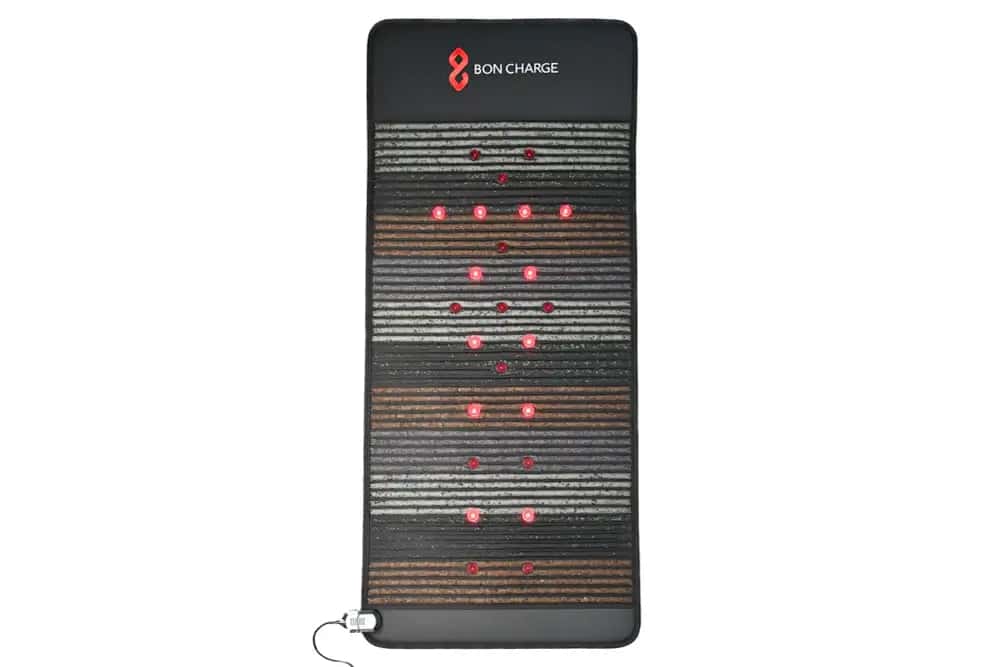
Kala backs their hardware with a 30-day money-back guarantee. Beyond panels, they offer a massive ecosystem of recovery tools. Patients often tell me they love having a single brand for their triple-wavelength face mask, therapy wand, and Infrared PEMF Mat. You can see their full lineup in our complete Kala product guide.
Mito Red Light Overview
Mito Red Light is a US-based manufacturer known for producing high-quality mid-range panels. Their flagship MitoPRO series features a four-wavelength configuration: 630nm, 660nm, 830nm, and 850nm.
Including 630nm targets surface-level skin benefits like collagen production. The 830nm wavelength offers a penetration depth right between standard 810nm and deeper 850nm. This gives Mito a broader spectrum of coverage across different tissue depths compared to a standard two-wavelength panel.
Mito prices their panels aggressively, ranging from $239 to $999 USD. This makes them a high-value option for anyone building a home biohacking setup. The build quality is rock solid. You get a reliable, continuous-output panel with excellent irradiance and transparent power specifications.
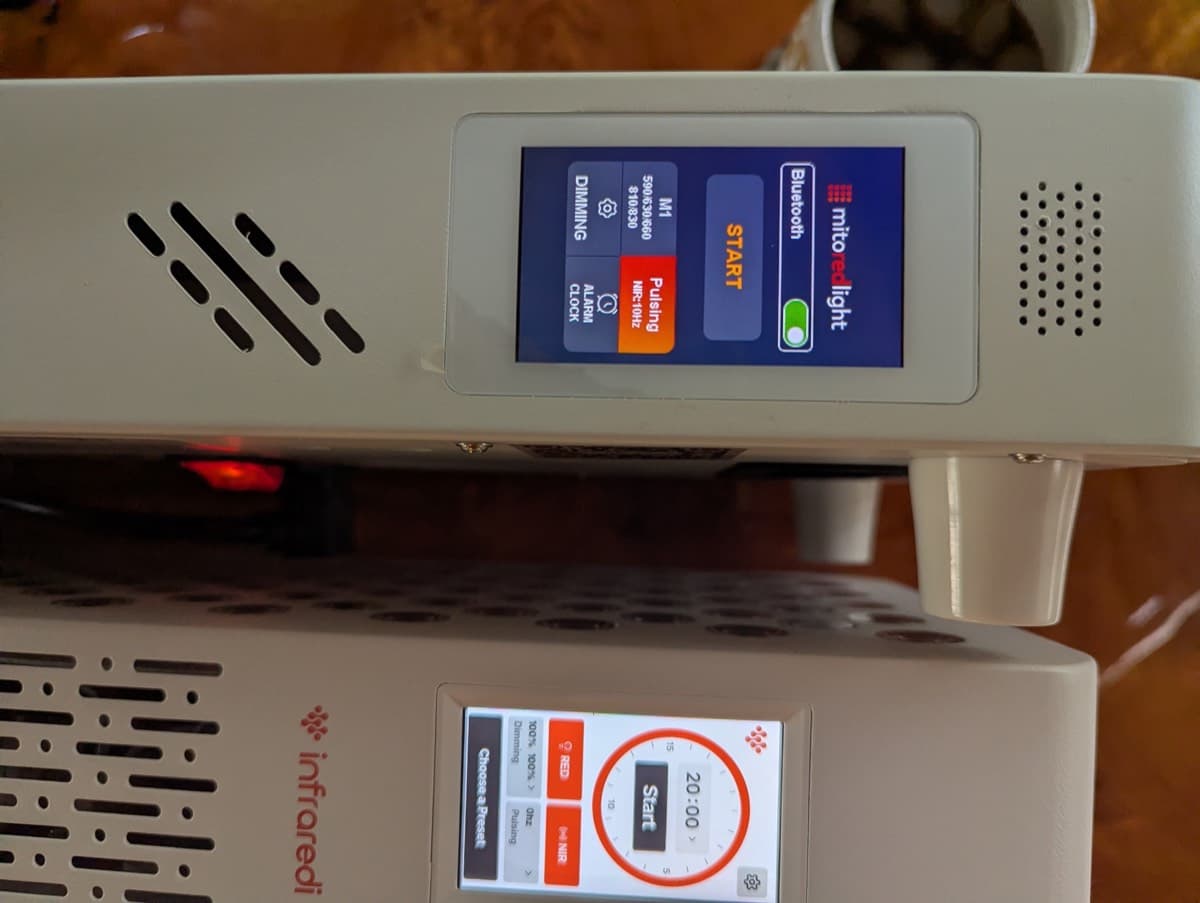
Mito keeps things simple. There are no pulsing frequency modes, no digital dashboard, and no built-in timer display. It is a straightforward, high-performance device. For a complete breakdown of their specs, check out my [Mito Red Light therapy review](/blog/mito-red-light-therapy-review).
The main limitation with Mito is their narrow product focus. They strictly manufacture panels. If you want to expand your recovery protocols with a red light mask or a PEMF mat, you have to buy from other brands. This creates a fragmented setup.

Head-to-Head Comparison
| Feature | Kala Pro Panel | Mito MitoPRO Series |
|---|---|---|
| Wavelengths | 660nm + 850nm (2) | 630nm + 660nm + 830nm + 850nm (4) |
| LED Power | 5W clinical-grade | 5W LEDs |
| Pulsing Modes | Yes — 292 Hz, 586 Hz, custom Hz | No — continuous only |
| Digital Controls | Digital dash, built-in timer | Basic on/off switch |
| Price Range (USD) | ~$300–$700+ | ~$239–$999 |
| FDA Registration | Class II — #3016171836 | FDA registered |
| EMF | Zero from 4–6 inches | Low EMF (no zero-EMF claim) |
| Country of Origin | Canadian-designed | US brand |
| Mask Available | Yes — triple-wavelength (red + NIR + blue) | No |
| PEMF Mat Available | Yes — Infrared PEMF Mat | No |
| Money-Back Guarantee | 30 days | 30 days |
Key Differences That Matter
Wavelength count: Mito's real advantage
Mito's four-wavelength array provides a distinct advantage for broad-spectrum tissue coverage. Clinical research in photobiomodulation shows that different wavelengths penetrate tissues at varying depths.
The 630nm wavelength is highly effective for superficial skin concerns like acne and collagen synthesis. Meanwhile, 850nm reaches deep into muscle bellies and joint capsules (de Freitas & Hamblin, IEEE J Sel Top Quantum Electron, 2016; PMCID: PMC5215870). The 850nm near-infrared light bypasses the skin entirely to reach deep muscle bellies, tendons, and joint capsules. This is exactly what I need when treating severe sports injuries or chronic osteoarthritis.
Kala uses 660nm and 850nm, which are the most extensively studied wavelengths in clinical literature. However, Mito's inclusion of 630nm and 830nm delivers a wider range of penetration depths for roughly the same price. Missing 630nm on the Kala does not mean you lose out on skin benefits. I consistently observe excellent skin rejuvenation results with 660nm in my practice. Mito simply offers slightly more targeted surface-level output.
Pulse Recovery+ modes: Kala's real advantage
Kala's pulsed frequency modes are incredibly rare at this price point. They represent a massive therapeutic advantage for clinical rehabilitation. The 292 Hz setting is specifically engineered to reduce anxiety, enhance sleep architecture, and blunt chronic pain signals.
The 292 Hz pulse rate specifically interacts with the central nervous system to downregulate sympathetic tone. This shifts the patient out of a fight-or-flight state, accelerating the body's natural healing mechanisms. The 586 Hz setting targets symptoms of depression and seasonal affective disorder.
Using the digital dash to dial in a custom frequency allows me to personalize patient treatments. For patients managing complex chronic pain alongside physical injuries, this capability changes everything. Mito only offers continuous light delivery. While continuous output is highly effective for general tissue repair, it lacks these targeted neurological benefits.
Ecosystem: Kala wins if you want more than a panel
If you only need a single red light panel, Mito offers exceptional value. Their hardware is reliable and powerful. But if you plan to build a complete biohacking setup, Kala is the clear winner.
You might eventually want a red light mask for acne or a PEMF mat for pre-bed recovery. Mito does not manufacture these complementary devices. Staying within the Kala ecosystem ensures seamless integration, consistent build quality, and streamlined customer support.
"In my athletic therapy practice, I use the Kala Pro Panel daily for post-treatment recovery after seeing patients. The Pulse Recovery+ mode at 292 Hz is something I haven't found on any other panel in this price range—Mito included. For an athlete managing chronic inflammation and sleep issues at the same time, having pulsed frequency delivery on the same device I'm already using for tissue recovery is genuinely useful. Mito gives you more wavelengths on paper, but Kala gives you more tools in practice." — Daryl Stubbs, CAT(C), RMT, Clinical Nutritionist
Buy the Kala if...
- You want Pulse Recovery+ pulsed frequency modes (292 Hz, 586 Hz) for sleep, anxiety, or chronic pain.
- You plan to add a red light mask with blue light for acne or a PEMF mat later.
- You want digital controls with a built-in timer and a clean interface.
- You prefer a Canadian-designed device with Health Canada clearance and FDA Class II registration.
- Zero EMF from 4–6 inches is important to you.
Buy the Mito if...
- You want four wavelengths (630 + 660 + 830 + 850nm) for broader skin and tissue coverage from a single panel.
- You only need a panel—no mask, no PEMF, no ecosystem required.
- You're comparing the MitoPRO to a Kala panel at a similar price and want maximum wavelength coverage for the dollar.
My Recommendation
When evaluating a pure panel-to-panel comparison based on wavelength coverage, Mito holds a distinct advantage. Getting four distinct wavelengths at this price point is a compelling offer. If your primary objective is maximum photobiomodulation coverage from a standalone panel, read my Mito Red Light therapy review. You should also see how it performs against other premium brands in my Mito vs PlatinumLED breakdown.
However, if you want to build an integrated recovery system, Kala pulls ahead. After 12 years and over 10,000 treatment hours in clinical practice, I am ruthless about the devices I recommend. The Kala Pro Panel earned its place in my private clinic because its Pulse Recovery+ modes introduce a therapeutic dimension Mito lacks. Addressing physical tissue repair and neurological recovery from a single device is an incredible asset.
"Mito is a strong panel. But Kala is a stronger recovery system. If a patient asks me which panel to buy and they already know they want a mask and a PEMF mat down the road, I tell them to start with Kala and build from there. If they just want a reliable four-wavelength panel at a fair price and nothing else, Mito is worth looking at." — Daryl Stubbs, CAT(C), RMT, Clinical Nutritionist
Related Clinical Resources
- Recommended Guide: Read my full, hands-on review of the best red light therapy panels for deeper clinical insights.
- Related Review: Check out my comparative analysis on the Kala Vs Omnilux.