In my clinical practice, patients constantly ask me to evaluate the hydrogen water machine vs alkaline water machine debate. The core distinction boils down to the active therapeutic agent. Alkaline machines primarily alter your water's pH, while hydrogen machines infuse it with molecular hydrogen gas.
These are fundamentally different processes that lead to vastly different clinical outcomes. If you are weighing your options or questioning the efficacy of an alkaline ionizer you already own, this review offers a clear, evidence-backed perspective.

Direct Verdict
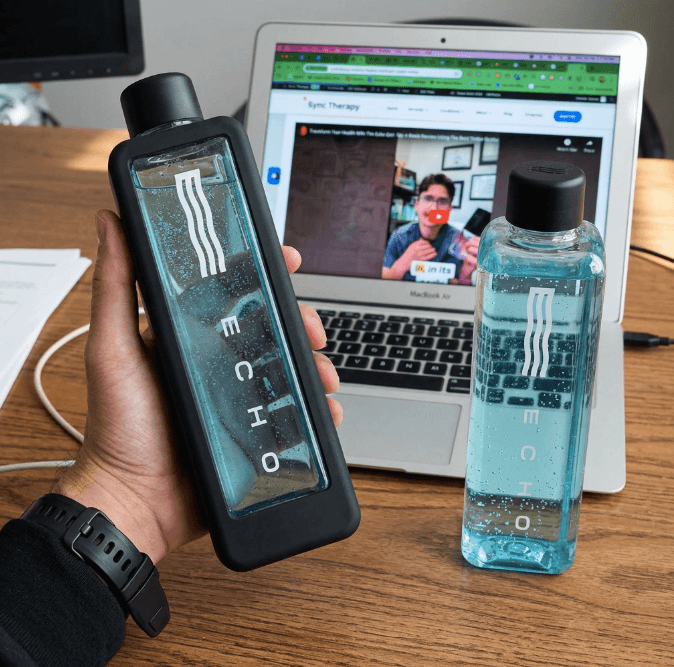
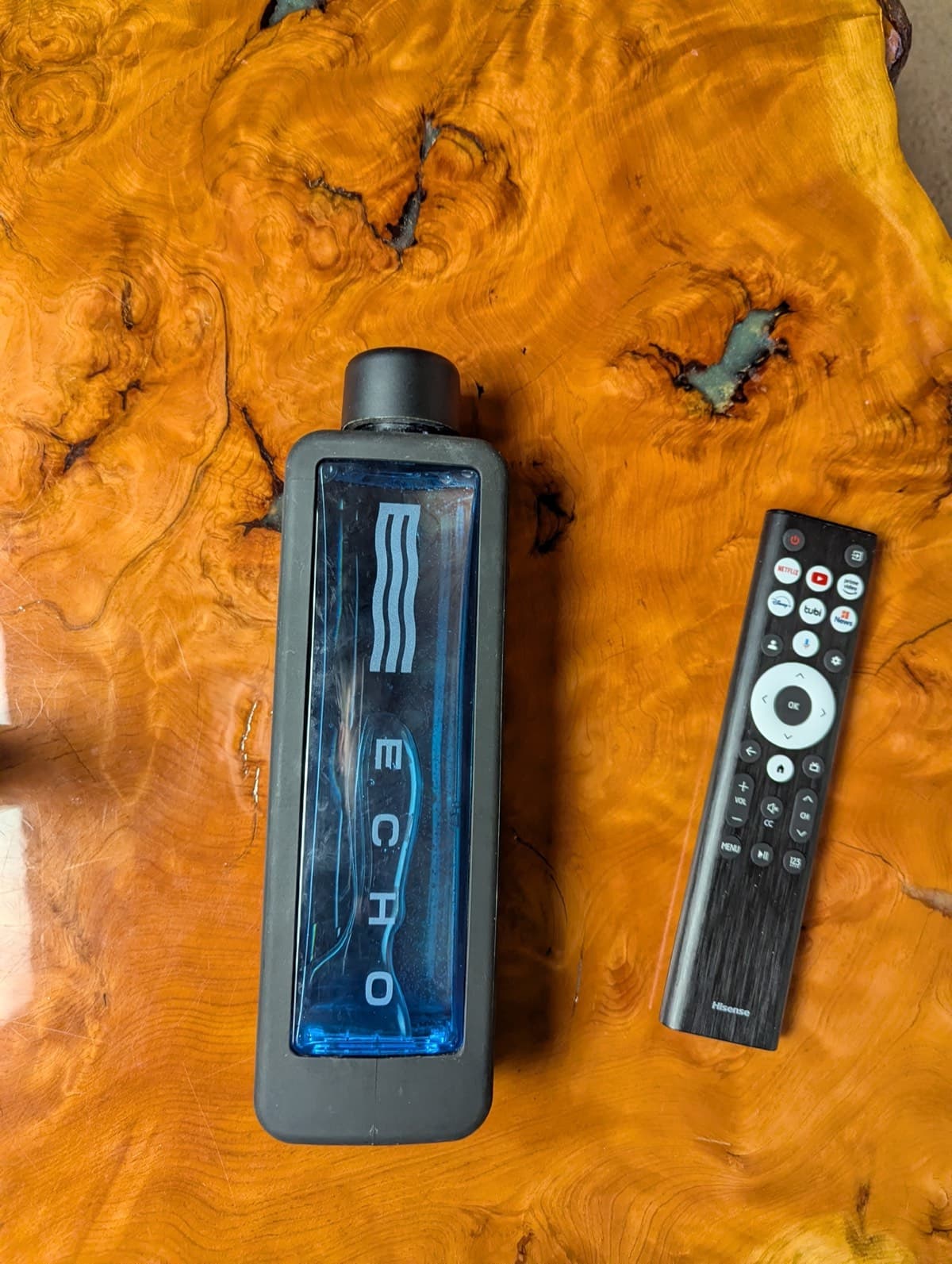
Hydrogen water machines are the clear winner based on robust clinical evidence. While alkaline water machines raise pH with limited therapeutic support, hydrogen water machines dissolve molecular H2 gas. This mechanism is backed by over 1,500 peer-reviewed studies, including human randomized controlled trials. For a comprehensive solution offering both high-concentration hydrogen-rich water and alkaline water, I recommend the Echo Ultimate under-sink unit. For portable, independently verified H2 concentrations, the Echo Flask is my top clinical choice.
What an alkaline water machine actually does
Alkaline water machines, with Kangen being the most recognized brand, use electrolysis to split water molecules and raise pH. The resulting water typically hits a pH between 8 and 10. Brands market this water for enhanced hydration, acid reflux relief, and athletic performance.
The technology relies on basic titanium plates coated with platinum. An electrical current passes through these plates to alter the water structure. While this process generates a tiny amount of hydrogen gas as a byproduct, it is not the primary design objective.
A 2022 independent analysis revealed that popular alkaline ionizers produced dissolved hydrogen in the range of 0.1–0.4 mg/L. This falls significantly short of the 0.5 mg/L threshold required for a therapeutic effect.
From a clinical perspective, the evidence supporting broad health claims for alkaline water is thin. Systematic reviews fail to find consistent evidence that drinking high-pH water produces meaningful health outcomes in healthy adults. I do not dismiss these machines entirely, but I require an honest assessment of the scientific literature before recommending them to patients.
What a hydrogen water machine does differently
Hydrogen water machines employ advanced SPE/PEM (solid polymer electrolyte / proton exchange membrane) technology. This process precisely dissolves molecular hydrogen gas directly into the water. Any change in pH is merely incidental.
The true therapeutic agent is the dissolved H2 molecule itself. H2 is an incredibly small, highly bioavailable molecule. It readily crosses cell membranes and the blood-brain barrier to exert its beneficial effects.
Primarily, H2 acts as a selective antioxidant. It specifically targets damaging free radicals like hydroxyl radicals (•OH) and peroxynitrite (ONOO⁻) without interfering with beneficial reactive oxygen species vital for immune function.
The foundational understanding of H2's mechanisms stems from Ohta's landmark 2014 review published in Pharmacology & Therapeutics. This work established that H2 modulates critical cellular signaling pathways like NF-κB and Nrf2 (PMID: 24769081).
A 2024 systematic review in the International Journal of Molecular Sciences examined 30 human studies on hydrogen-rich water. It reported positive shifts in cardiovascular markers, enhanced mental health, and significant reductions in oxidative stress (PMCID: PMC10816294).
A separate 2020 randomized controlled trial involving 60 adults with metabolic syndrome demonstrated that 24 weeks of high-concentration hydrogen water led to significant improvements in BMI, fasting glucose, and oxidative stress markers (LeBaron et al., Diabetes Metab Syndr Obes, 2020; PMID: 32273740). No comparable robust RCT data exists for alkaline ionizers.
Head-to-head comparison
| Feature | Hydrogen Water Machine | Alkaline Water Machine |
|---|---|---|
| Primary mechanism | Dissolves H2 gas via SPE/PEM electrolysis | Raises pH via plate electrolysis |
| Therapeutic agent | Dissolved molecular hydrogen (H2) | Elevated pH (alkalinity) |
| H2 concentration | 0.5–8.25 mg/L (depends on machine) | 0.1–0.4 mg/L (byproduct, not design goal) |
| pH output | Near-neutral to mildly alkaline (varies) | 8.0–10.0+ (design goal) |
| Human clinical trials | 200+ human trials, 1,500+ peer-reviewed papers | Limited; no large RCTs on systemic health |
| Price range | $299 (Echo Flask) – $3,499 (Echo Ultimate) | $1,000–$4,980 (Tyent – Kangen K8) |
| Distribution model | Direct-to-consumer (echowater.com) | MLM (Kangen) or retail (Tyent, Life) |
| Independent testing | Echo Flask: H2 Analytics certified (Report H2AR-250116-1) | Rarely third-party tested for H2 output |
| FSA/HSA eligible | Yes (Echo Water lineup) | Typically no |
Key differences that matter
The therapeutic agent: H2 gas vs elevated pH
The fundamental premise of alkaline water is that consuming higher-pH water can buffer your body's acidity. However, this premise largely overlooks basic human physiology. Your stomach acid, with a pH of approximately 2, neutralizes alkaline water almost immediately upon ingestion.
Any perceived pH advantage is negated before the water reaches your bloodstream. Additionally, your kidneys are highly efficient at regulating blood pH within a precise range, regardless of what you drink.
Dissolved molecular hydrogen operates on an entirely different principle. H2 is a gas, not an ion, meaning stomach acid does not neutralize it. It passes directly into the bloodstream and efficiently distributes throughout various tissues.
H2 concentration and what "therapeutic dose" means
Most clinical studies demonstrating positive health outcomes from hydrogen water utilize concentrations between 0.5 and 1.6 mg/L. This is a critical clinical benchmark.
The Echo Flask, a portable hydrogen water generator, delivers an impressive 6.07 mg/L after a 10-minute cycle. It reaches 8.25 mg/L after 20 minutes. These concentrations are independently verified by H2 Analytics using gas chromatography (Report H2AR-250116-1, January 2025).
The Echo Ultimate home system consistently delivers up to 1.5 mg/L on demand directly from the tap. In stark contrast, alkaline ionizers typically produce only 0.1–0.4 mg/L of dissolved H2. This concentration falls well below the minimum levels used in positive clinical studies.
Price, value, and what you're actually paying for
The Kangen K8 costs approximately $4,980 USD. A significant portion of this price is attributed to Enagic's multi-level marketing (MLM) structure. A substantial part of your cost pays distributor commissions rather than funding the underlying technology.
By comparison, the Echo Ultimate is priced at $3,499.99 USD. It offers four distinct water types, incorporates 5-stage filtration, and comes with a robust 10-year warranty. It is sold direct-to-consumer, eliminating MLM markups entirely.
"When patients ask me about alkaline water machines — especially Kangen — I explain that they're paying a premium for pH adjustment that the stomach neutralizes almost immediately. Hydrogen water machines dissolve H2 gas, which is the molecule that actually shows up in clinical trials. If a patient wants one machine to do both, the Echo Ultimate is what I recommend — it produces therapeutic-dose hydrogen water and alkaline water from the same unit, without the MLM markup." — Daryl Stubbs, RMT, CAT(C), Clinical Nutritionist
Machines that do both: alkaline and hydrogen water
Patients often ask me about machines marketed as "alkaline and hydrogen water machines." While a single machine can produce both types of water, the underlying mechanisms are distinct. The Echo Ultimate stands out as a clear example of a device that genuinely delivers on both functions with clinical integrity.
It is engineered to produce four distinct water types:
- Hydrogen-rich water — providing up to 1.5 ppm dissolved H2, the therapeutic agent with robust clinical backing.
- Alkaline water — offering higher pH for those who specifically prefer it.
- Acidic water — lower pH water suitable for topical uses, such as skin care or cleaning.
- Filtered water — providing clean, purified water through its advanced 5-stage filtration system, without electrolysis.
Unlike alkaline ionizers that claim to produce hydrogen water as a minor byproduct, the Echo Ultimate utilizes dedicated SPE/PEM technology for its hydrogen generation mode.
Who should choose a hydrogen water machine
A hydrogen water machine is a sensible, evidence-based choice if:
- You prioritize the water type with the strongest clinical evidence for antioxidant and anti-inflammatory effects.
- You're an athlete or highly active individual seeking support for post-exercise recovery. The research on H2's role in mitigating exercise-induced oxidative stress is robust (Frontiers in Nutrition, 2024; link).
- You demand independently verified H2 concentrations, rather than relying solely on marketing claims.
- You value FSA/HSA eligibility for health-related purchases. The Echo Water lineup often qualifies.
- Budget is a consideration, and you prefer a scalable entry point. You can begin with a portable Echo Flask at $299–$349 USD and upgrade later.
What I tell my patients
This question arises frequently in my clinic. Patients often arrive having already invested in an alkaline water system based on a friend's recommendation. My clinical advice is always the same.
If the machine produces water that tastes better to you, and that improved taste encourages you to drink more water, there is inherent hydration value. However, if your primary motivation was antioxidant protection or enhanced recovery support, the clinical evidence does not substantiate alkaline water claims.
The patients I observe the most tangible results with are those who consistently drink hydrogen-rich water generated by an SPE/PEM machine. In my own clinical evaluation, I began by experimenting with portable bottles like the Echo Flask.
Once I observed consistent benefits, I started confidently recommending the Echo Ultimate for comprehensive home use. Most of my patients follow a similar trajectory.
"The distinction between hydrogen water and alkaline water isn't semantic — it's mechanistic. Alkaline ionizers change pH, which your stomach neutralizes within minutes. Hydrogen water machines dissolve H2 gas, which is bioavailable, crosses cell membranes, and has actual RCT data in humans. For patients asking me which type of machine to buy, my answer hasn't changed in three years: if you want the clinical evidence, you want dissolved molecular hydrogen — not just high pH." — Daryl Stubbs, RMT, CAT(C), Clinical Nutritionist
My recommendation
For anyone looking to invest in a water machine for health benefits, my clinical recommendation is clear. Do not purchase an alkaline ionizer with the expectation that it will provide therapeutic hydrogen water benefits. The H2 output from traditional plate-based ionizers simply does not meet the concentrations required for clinical efficacy.
If your goal is to have both alkaline water and genuine hydrogen water from a single unit, the Echo Ultimate is the only home system I recommend. It utilizes proper SPE/PEM technology for its hydrogen function.
If you are the sole hydrogen water drinker in your household, start with the Echo Flask. It delivers impressive H2 concentrations of 6.07 mg/L to 8.25 mg/L, verified by independent gas chromatography. For families where multiple members will benefit daily, the Echo Ultimate represents a sound long-term investment.
Related Clinical Resources
- Recommended Guide: Read my full, hands-on review of the best hydrogen water bottles for deeper clinical insights.
- Related Review: Check out my comparative analysis on the Hydrogen Water Machine Vs Bottle.